DIY Move vs Hiring Pros: When to Call a Removal Company
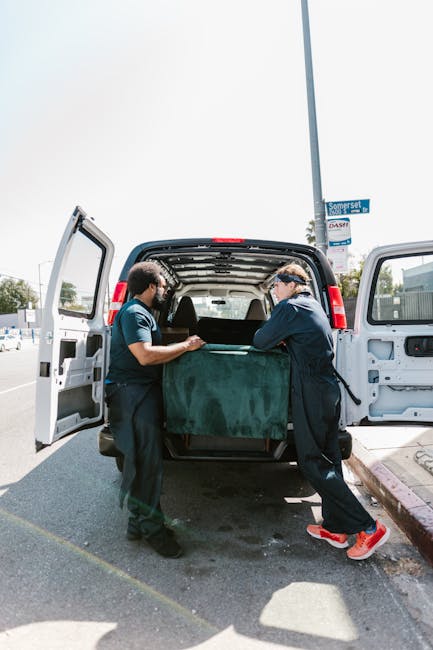
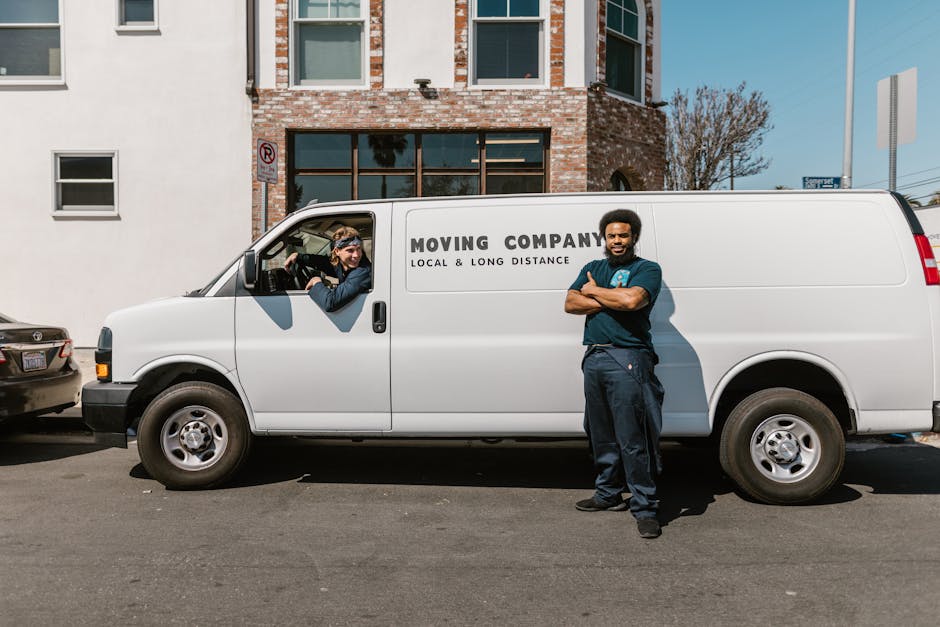
Moving house sounds simple right up until the hallway fills with boxes, the sofa jams in the stairwell, and you realise the van is smaller than you hoped. That is usually the moment people start comparing a DIY move with hiring professionals. And fair enough. The choice affects your budget, your back, your schedule, and how stressful moving day feels.
This guide on DIY Move vs Hiring Pros: When to Call a Removal Company breaks down the real-world decision. You will see where a self-move makes sense, when professional help is worth every penny, and how to spot the point where "we'll manage" quietly becomes "we really should have booked help."
We will cover costs, safety, timing, packing effort, property access, and the type of move you are actually dealing with. If you are considering a home move, a business move, or even a one-off furniture collection, this should help you choose with a clear head.
Why DIY Move vs Hiring Pros: When to Call a Removal Company Matters
The DIY vs professional move decision is not just about saving money. It is about what you are asking of yourself, your friends, your family, and your schedule. A move can be a tidy little logistics job, or it can become a full-body marathon with awkward furniture, parking stress, and a few rushed decisions you regret later.
For some people, a DIY move is perfectly sensible. Maybe you are moving a one-bed flat, only a few streets away, and you have strong helpers, good parking, and not much furniture. In that case, a self-managed move can be practical and economical. But if the move includes a lot of belongings, fragile items, narrow staircases, or a fixed deadline, the equation changes quickly.
To be fair, the hidden costs of DIY are easy to underestimate. People think about van hire and boxes, then forget fuel, time off work, extra trips, protective materials, and the cost of replacing anything damaged on the way. On the other side, hiring pros can feel more expensive at first glance, but it often buys you speed, planning, safer lifting, and a lot less chaos. That is the trade-off.
If you are moving a home, a business premises, or just need a bigger vehicle and a helping hand, services such as home moves, commercial moves, and man with van support can make a huge difference in the real world, not just on paper.
Table of Contents
- Why DIY Move vs Hiring Pros: When to Call a Removal Company Matters
- How DIY Move vs Hiring Pros: When to Call a Removal Company Works
- Key Benefits and Practical Advantages
- Who This Is For and When It Makes Sense
- Step-by-Step Guidance
- Expert Tips for Better Results
- Common Mistakes to Avoid
- Tools, Resources and Recommendations
- Law, Compliance, Standards, or Best Practice
- Options, Methods, or Comparison Table
- Case Study or Real-World Example
- Practical Checklist
- Conclusion
- Frequently Asked Questions
How DIY Move vs Hiring Pros: When to Call a Removal Company Works
The basic difference is simple. A DIY move means you organise the transport, the lifting, the packing, the route, the timing, and usually the problem-solving too. Hiring pros means you pass some or all of that work to a moving team, ranging from a simple man and van service to a more complete removal service with packing support and larger vehicles.
A DIY move usually involves:
- finding or hiring a van or truck
- packing everything yourself
- loading and unloading items safely
- planning parking and access
- making multiple trips if needed
Hiring professionals usually changes the job in a few important ways. A good removal company can help with careful loading, better use of vehicle space, less damage risk, and a clearer schedule. If you need a larger vehicle, options like moving truck support or removal truck hire may suit a bigger move. If the packing side is the hardest part, packing and unpacking services can take a surprising amount of pressure off.
The real question is not "which is better?" It is "which is better for this move, on this day, with these people and this amount of stuff?" That is where the decision gets honest.
Let's say you are moving from a compact flat and only need to transport a few boxes, a bed, and a desk. DIY may work fine. But if you are clearing a three-bedroom house, shifting heavy wardrobes, or trying to vacate a property before a deadline, the safer answer is usually to call in pros. One missed stair, one bad lift, one too-small van... and suddenly the day stretches out forever.
Key Benefits and Practical Advantages
There are benefits on both sides, and the best choice depends on what you value most. Here is the practical version, not the glossy brochure version.
Benefits of a DIY move
- Lower upfront spend: if you already have access to a vehicle or helpers, the direct cost can be lower.
- Complete control: you choose the pace, route, packing order, and schedule.
- Flexible timing: useful for short moves or when you are shifting items gradually.
- Best for smaller loads: a single room, a student move, or a few bulky items can be manageable.
Benefits of hiring professionals
- Less physical strain: heavy lifting is handled by people who do it regularly.
- Better efficiency: experienced crews know how to load safely and use the space properly.
- Reduced risk of damage: professional handling can lower the chance of scratched floors, broken furniture, or smashed items.
- Cleaner moving day: fewer surprises, fewer trips, and fewer arguments about who forgot the tape.
- More suitable for complicated moves: large homes, office relocations, and awkward access points often need expertise.
There is also a less obvious benefit to hiring pros: mental space. When you are not juggling every detail yourself, you can focus on things that truly need your attention, like final checks, keys, utilities, or keeping children and pets settled. That calm feeling is worth something. Maybe quite a lot, honestly.
If you are moving a business or office, professional help becomes even more valuable because downtime matters. Pages such as office relocation services and house removalists can be a better fit than trying to make a generic DIY plan do too much.
Who This Is For and When It Makes Sense
This topic matters to a wide mix of people, but the best route depends on your circumstances.
DIY tends to make sense when:
- you are moving a small amount of furniture or boxes
- the move is local and the route is simple
- you have reliable help from friends or family
- items are not especially fragile, bulky, or valuable
- you have time to pack, label, and transport slowly
Hiring pros tends to make sense when:
- you have a full house or multiple rooms of furniture
- your property has stairs, narrow hallways, or awkward access
- you are moving on a fixed schedule, such as exchange day or a lease handover
- you are short on time or energy
- you want help packing, loading, or unloading heavy items
There is also a middle ground. Not every move needs a full-scale removal team. Sometimes a man and van or man with van service is the sweet spot: less expensive than a full removal package, but far less exhausting than doing absolutely everything yourself.
And for one-off jobs like sofa collection, desk delivery, or moving a single heavy item, a dedicated furniture pick up service can be far more sensible than renting a van for the afternoon and hoping for the best.
Step-by-Step Guidance
If you are stuck between DIY and hiring help, use this straightforward process. It keeps the decision from becoming a vague feeling that grows more stressful the longer you stare at it.
- List everything you need to move. Include furniture, boxes, awkward items, and anything fragile.
- Measure the bulky bits. Doorways, stairs, lifts, and van space all matter more than people expect.
- Estimate the actual labour. Ask yourself who is lifting the sofa, not just who is driving it.
- Think about time pressure. Are you moving in a calm window or racing a deadline?
- Check access and parking. If the vehicle cannot get close, the job becomes slower and harder.
- Compare total cost, not just headline cost. Add fuel, materials, time, and damage risk to your DIY figure.
- Choose the simplest safe option. In many cases, the easiest move is also the smartest one.
Here is a small but useful rule of thumb: if you need more than one strong helper, more than one trip, and more than one hour of loading stress, the move is starting to outgrow DIY. That is not a law, just a very practical sign.
If you are unsure about the vehicle size you need, it helps to look at dedicated transport options like moving truck and removal truck hire. Choosing the right vehicle can save you time and avoid that awkward moment when the bed base simply will not fit, no matter how much you try to angle it.
Expert Tips for Better Results
After plenty of moving days, a few patterns become very clear. The move usually goes better when the plan is simple, the boxes are well labelled, and nobody is making decisions in a panic at 8:15 in the morning.
- Pack room by room. It makes unpacking much easier and prevents random items from vanishing into the wrong box.
- Keep an essentials bag. Put in chargers, medicines, snacks, documents, toilet paper, and a kettle if you are sensible.
- Protect floors and corners. A bit of cardboard or wrapping can prevent a very annoying scuff.
- Label boxes on the side and top. You will thank yourself when boxes are stacked high.
- Disassemble furniture in advance. Do not wait until the van is outside and the light is fading.
- Reserve extra time for parking and access. Even a short delay can ripple through the whole day.
A practical tip that people sometimes miss: if you are hiring professionals, tell them about awkward items early. Pianos, large mirrors, American-style fridges, tight staircases, basement flats, and office equipment all need planning. No one enjoys the late surprise. Not you, not them.
And if packing is your weak point, consider support from packing and unpacking services. It is one of those things that feels optional right up until you are knee-deep in bubble wrap and wondering where the scissors went.
Common Mistakes to Avoid
Most moving problems are not dramatic disasters. They are small mistakes that compound. A forgotten bag here, a poor estimate there, and by the afternoon everything feels harder than it should.
- Choosing DIY because it looks cheapest. It often is not once you count all the hidden costs.
- Underestimating furniture size. A wardrobe that looks manageable in the room can become a monster on the stairs.
- Not planning vehicle access. Parking too far away adds time, lifting, and frustration.
- Assuming friends can do heavy lifting safely. Kind help is not the same as skilled lifting.
- Packing too late. Last-minute boxes are rarely tidy boxes.
- Forgetting insurance and protection. If items are valuable, the risk needs thought.
- Booking professional help too late. Availability can tighten around weekends and month-end.
Another common one: people decide on DIY, then quietly end up doing a half-hire, half-favour, half-chaos setup. That usually means the job gets the disadvantages of both approaches without the benefits of either. A bit harsh, but true.
Tools, Resources and Recommendations
You do not need a warehouse of equipment to move well, but the right basics make a big difference.
| Item | Why it helps | Best for |
|---|---|---|
| Strong cardboard boxes | Keep items organised and easier to stack | Books, kitchenware, clothes, mixed household items |
| Packing tape and dispenser | Saves time and keeps boxes secure | Any move, really |
| Bubble wrap and paper | Protects breakables and awkward shapes | Glass, lamps, decor, electronics |
| Furniture blankets | Reduces scratches and minor damage | Wooden furniture, appliances, tables |
| Trolley or sack barrow | Makes heavy items much easier to move | Washing machines, stacked boxes, office items |
| Labels and marker pens | Keeps the unpacking process sane | Every move, without exception |
For people who want help choosing the right level of support, pricing and quotes can be a practical starting point. It helps to compare the service level against the complexity of your move rather than focusing only on the cheapest headline figure. Cheap is good, but only if the job still gets done properly.
If sustainability matters to you, it is also worth thinking ahead about reusable packing materials and responsible disposal. The page on recycling and sustainability fits well with that mindset, especially if you are clearing unwanted furniture or old household items before moving day.
Law, Compliance, Standards, or Best Practice
Moving a home or business in the UK is not usually a heavily regulated event in itself, but there are still sensible standards and responsibilities to keep in mind. The main point is simple: safety, access, and property care matter.
If you are doing the lifting yourself, you should be realistic about manual handling. Heavy or awkward items can cause injury very quickly if they are carried badly, rushed, or lifted by one person who really should not be doing it alone. That is where professional movers earn their keep. They are used to planning lifts, using the right technique, and working as a team.
For business moves, the standard is even higher because you may need to reduce disruption, protect equipment, and keep the workday moving. Good planning around office relocation, packing, and safe loading helps avoid downtime and damaged kit.
Insurance and safety are worth asking about, whether you are moving yourself or hiring help. Before booking any service, check what level of cover is included and how items are handled if something goes wrong. The exact terms matter, so take the time to read them. The same goes for insurance and safety information, which can help set expectations before the van arrives.
If you are hiring a provider, also pay attention to how they communicate about access, load size, timing, and payment. Clear terms are not exciting, but they are one of the strongest signs that a move will go smoothly. A quick look at terms and conditions and payment and security is never wasted time.
Options, Methods, or Comparison Table
Here is a straightforward comparison to help you judge which route suits your move.
| Option | Best for | Pros | Trade-offs |
|---|---|---|---|
| DIY move | Small, local, simple moves | Lower upfront spend, full control, flexible timing | More stress, more lifting, higher chance of delays or damage |
| Man and van | Medium-small moves or one-off transport | Good balance of cost and support, less heavy lifting for you | May not suit very large or complicated moves |
| Full removal company | Large homes, business moves, difficult access, tight deadlines | Efficient, safer, more organised, less personal strain | Higher cost than DIY, though often better value overall |
| Specialist add-ons | Packing, fragile items, bulk collections, awkward furniture | Fills the gaps in a DIY or partial move | Extra cost, but often worth it for the right task |
If you are still undecided, think about which part of the move is most likely to go wrong. Is it the lifting? The packing? The vehicle size? The access? The answer usually points you toward the right option faster than a general "pros vs DIY" debate ever will.
Case Study or Real-World Example
Here is a typical real-world scenario. A couple moving from a two-bedroom flat in London decide they will do the move themselves because the flat is only a short drive from the new place. On paper, it sounds manageable. They rent a van, collect boxes, and ask two friends to help. Easy enough.
Then moving day arrives. The parking bay is further away than expected. The sofa does not fit easily through the stairwell. One friend has to leave early. The boxes are not labelled properly, so kitchen items end up mixed with bedding. By late afternoon, everyone is tired and slightly irritable, and the final trip takes longer than the first three combined. Nothing disastrous happened, but the day felt heavier than it needed to be.
Now picture the same move with a professional team. The furniture is assessed beforehand. The right vehicle is chosen. The team knows where the awkward corners are and how to work around them. The move still takes effort, of course, but the couple is not carrying the whole load in every sense of the word. They can focus on checking the inventory, directing fragile items, and settling into the new place.
That is the real difference. Not just cost. Energy. Time. Friction. Those small things add up.
For commercial moves, the gap can be even more noticeable because downtime carries its own cost. A business moving desks, files, or equipment often benefits from a more organised service such as commercial moves or office relocation services, especially when continuity matters.
Practical Checklist
Use this checklist before you decide whether to DIY or call a removal company.
- Have I measured the largest items and the tightest access points?
- Do I know exactly how many boxes and pieces of furniture are moving?
- Is there parking close enough for loading and unloading?
- Do I have enough people to help, and are they actually available?
- Is there enough time to pack properly before moving day?
- Would a single damage incident cost more than hiring help?
- Am I moving anything fragile, valuable, or unusually heavy?
- Will I be exhausted before the day even starts if I do it myself?
- Do I need packing support, furniture handling, or a larger vehicle?
- Have I checked the service details, payment terms, and safety information?
If you answer "no" to several of those, the move is probably leaning toward professional support. No drama. Just a sensible read on the situation.
Get a free quote today and see how much you can save.
Conclusion
The best choice between a DIY move and hiring pros depends on scale, stress, timing, and how much risk you are comfortable carrying yourself. A DIY move can be smart for smaller, simpler jobs where you have time and help. Hiring a removal company starts to make much more sense when the move gets bigger, heavier, tighter on time, or more demanding than a few people and a borrowed van can realistically handle.
If you want the honest version, most people do not regret making a move easier. They regret trying to save a bit and then spending the whole day scrambling. So take a calm look at your belongings, your access, your deadlines, and your energy. The right choice is the one that gets you moved without unnecessary damage, strain, or last-minute panic.
And once the boxes are in the right rooms, the kettle is found, and the first quiet evening starts to settle in, it usually feels worth it. One way or another, you will get there.
Frequently Asked Questions
Is a DIY move always cheaper than hiring a removal company?
Not always. A DIY move may have a lower upfront price, but you still need to account for van hire, fuel, packing materials, time off work, and the possible cost of damage or extra trips. Once those are added up, professional help can sometimes offer better value than people first assume.
When should I stop trying to DIY and call a removal company?
A good tipping point is when the move includes heavy furniture, limited access, a tight deadline, or enough belongings that one van load will not be enough. If the day already feels complicated while you are still planning it, that is a strong sign to call in help.
What type of move is best suited to a man and van service?
A man and van service is often a good fit for smaller house moves, student moves, furniture pick-ups, or jobs where you need transport and some loading support without booking a full removal team. It is a practical middle ground.
Can professional movers help with packing as well as transport?
Yes, many moving services can help with packing and unpacking. That can be especially useful if you are short on time or worried about fragile items. It is one of the easiest ways to reduce the pressure on moving day.
Is it safe to move heavy furniture myself?
Sometimes, but only if you have the right help, the right equipment, and a clear route. Heavy or awkward furniture can cause injury quickly. If the item is large, bulky, or difficult to manoeuvre, professional handling is usually the safer choice.
How far in advance should I book a removal company?
As early as you can, especially if you are moving on a weekend, at month-end, or during a busy period. The more notice you give, the more likely you are to get a suitable time and the right vehicle for the job.
What should I check before hiring movers?
Check what is included, what type of vehicle is being used, how they handle loading and unloading, what payment terms apply, and whether the service includes relevant safety or insurance information. Clarity upfront saves stress later.
Do I need a removal truck for a one-bedroom flat?
Not always. It depends on how much furniture you have and whether the move includes large items. Some one-bedroom moves can be handled with a smaller vehicle, while others need a larger van or truck. It is better to judge by volume than by room count alone.
What if I only need to move one or two items?
In that case, a furniture pick-up or smaller transport service may be more sensible than a full DIY hire. For a sofa, bed, or appliance, a focused service can save time and avoid the hassle of renting a van just to move one thing.
Are professional removal services worth it for local moves?
Very often, yes. Even a short-distance move can be tiring if the furniture is heavy, the access is awkward, or the timing is tight. A local move still needs lifting, loading, and coordination, and that is where professional help can make the day much easier.
What is the biggest mistake people make when moving themselves?
The most common mistake is underestimating the job. People think in terms of transport and forget the effort involved in lifting, protecting, planning, and carrying everything safely. That is why many DIY moves feel harder than expected.
How do I decide between a full removal company and a smaller transport service?
Choose a full removal company if the move is large, complex, or time-sensitive. Choose a smaller transport service if you mainly need help moving a manageable load with a vehicle and a bit of labour. The more awkward the move, the more valuable the fuller service becomes.